 Save
Save It’s funny how one scent can change the mood in your kitchen completely. The first time I zested lemons for this loaf, the sharp citrus burst mingled with the subtle, sweet perfume of lavender, and suddenly the whole house felt like spring—regardless of what was happening outside. My cat posted up on a warm patch of counter, curiously sniffing the air as I fumbled with the parchment lining. What drew me in initially to this combination was the idea of a cake that would be just as at home at an elegant tea as with a simple mug of afternoon coffee. Each attempt since has turned into an excuse to pause, breathe in, and simply enjoy the process.
One rainy Sunday, I surprised a friend with this loaf after we’d commiserated about a long week. We sliced it up warm, the honey glaze still a little runny, and spent the afternoon marveling at how something so simple could feel like such a gift.
Ingredients
- All-purpose flour: Provides a sturdy but tender structure; I always sift it for this cake so it doesn’t weigh down the light crumb.
- Baking powder & baking soda: This one-two punch ensures an even rise—don’t skip the soda, or you’ll miss that tender lift.
- Salt: Just a pinch, but it sharpens the lemon notes beautifully.
- Culinary dried lavender buds: Sprinkle with care—just a tablespoon transforms the cake, but overdo it and the result goes soapy.
- Lemon zest: Nothing replaces the punchiness of freshly zested lemons, and a microplane makes quick work of it.
- Unsalted butter: Let it sit out until pliable; too cold and it won’t cream, too warm and things get greasy.
- Granulated sugar: This sweetens the cake but also helps aerate the butter for a fluffy crumb.
- Eggs: Always at room temp, or your batter might curdle and throw off the cake’s texture.
- Greek yogurt or sour cream: Adds moistness and a slight tang that keeps each bite bright.
- Whole milk: For extra richness—sometimes I infuse it with lavender, then sieve out the buds for deeper floral flavor.
- Fresh lemon juice: Brings really lively acidity, don’t use bottled here.
- Pure vanilla extract: Rounds out both lemon and lavender—skip if you must, but it won’t feel as complete.
- Powdered sugar: Sifted for a glaze that comes out silky-smooth rather than lumpy.
- Honey: The star of the glaze, lending floral sweetness that ties it all together—local varieties work best.
Tired of Takeout? 🥡
Get 10 meals you can make faster than delivery arrives. Seriously.
One email. No spam. Unsubscribe anytime.
Instructions
- Prep the Pan:
- Set the oven to 350°F (175°C) and line your loaf pan with parchment, letting the edges hang over for easy lifting later.
- Mix Dry Ingredients:
- Whisk together flour, baking powder, baking soda, salt, lavender, and lemon zest—the aroma here is like making cake in a sunny garden.
- Cream Butter & Sugar:
- Beat butter and sugar until pale and fluffy, watching for that transformation when it all looks like soft clouds.
- Add Eggs & Wet Ingredients:
- Incorporate eggs one by one, scraping the bowl if you see streaks; stir in yogurt, milk, lemon juice, and vanilla gently to avoid splashes.
- Combine & Finish Batter:
- Fold in the dry mixture bit by bit just until no flour shows—overmixing here makes the cake tough, so be gentle.
- Bake:
- Pour into the pan, smooth the top, and bake 45–50 minutes; you’ll know it’s done when a skewer comes out clean and the top is golden.
- Cool the Loaf:
- Let it rest 10 minutes in the pan, then lift it out with the parchment and cool completely on a rack so the glaze won’t melt off.
- Make the Glaze:
- Whisk powdered sugar with honey and lemon juice, adding juice as needed until it drips from your whisk in thick ribbons.
- Glaze & Serve:
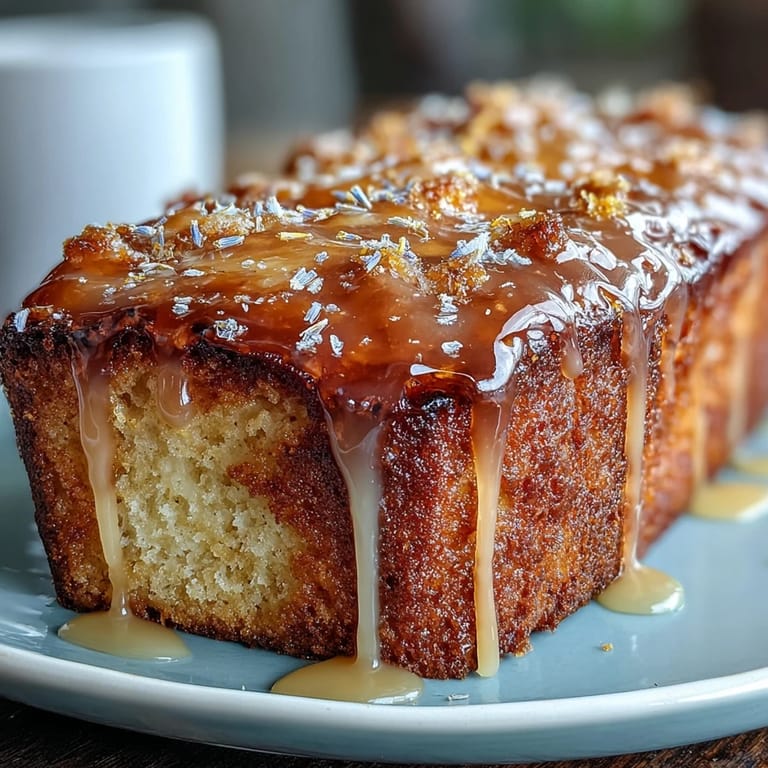
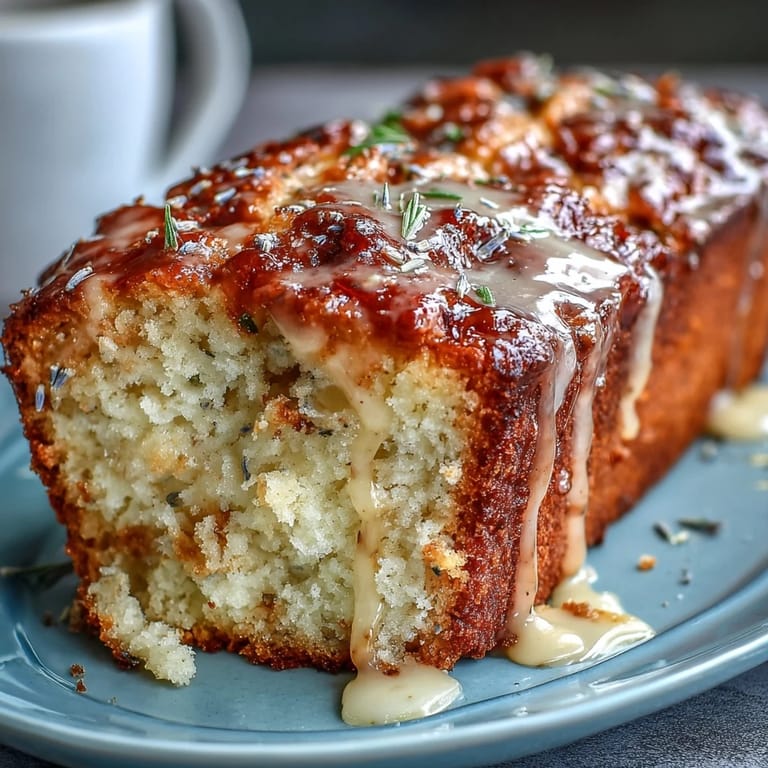
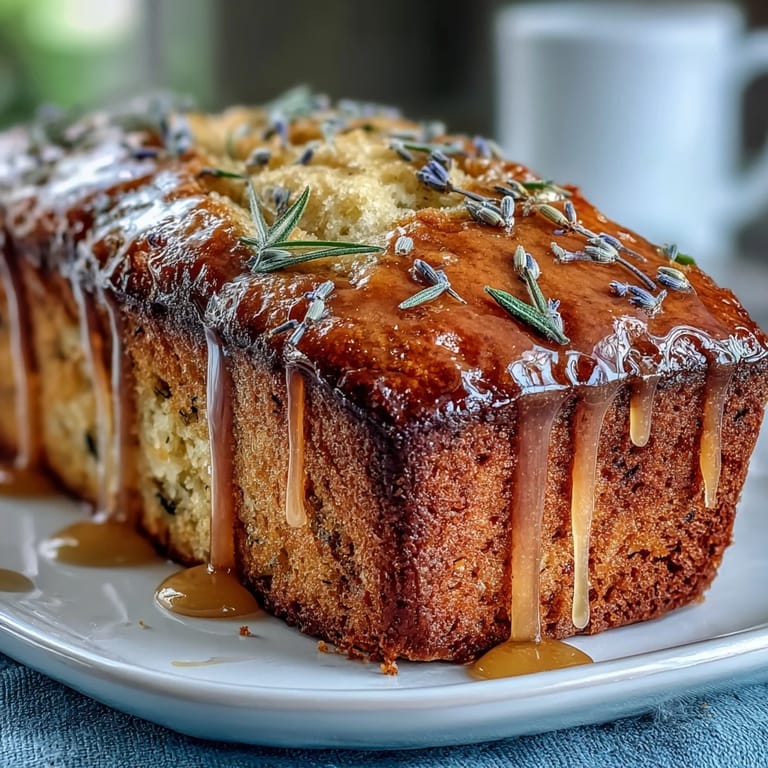
- Drizzle glaze over the cool loaf in zigzags—don’t worry if it pools or trickles, that’s part of the charm.
 Save
Save  Save
Save Watching my neighbor’s eyes widen at her first bite, I realized this cake was more than a treat—it was a gentle surprise, softening a tough week and inviting a second slice without a word.
How to Pick the Right Lavender
I learned quickly that not all lavender is created equal. Culinary-grade buds are important, as other varieties can be overwhelmingly bitter or soapy. If you’ve only ever used lavender in sachets, seek out a small jar labeled for cooking. Try to buy from a specialty grocer or herbalist for the best, most delicate floral quality.
Perfecting the Honey Glaze
My first glaze came out too thick and clumpy, refusing to drizzle. Adding lemon juice, a few drops at a time, made it glossy and easy to pour—just be patient with the process. Whisk vigorously for that luscious finish and don’t be tempted to shortcut with a fork.
Serving and Storage Suggestions
Though I usually can’t resist sharing it the day it’s baked, this loaf actually gets better as the flavors meld overnight. Wrap it tightly, and the crumb remains perfectly moist even the next day. Toasted slices are dreamy with a touch of butter or extra honey.
- Add a sprinkle of fresh zest or lavender just before serving for extra flair.
- A cup of Earl Grey makes a lovely pairing on chilly afternoons.
- Store leftovers in an airtight container up to three days for best texture.
 Save
Save 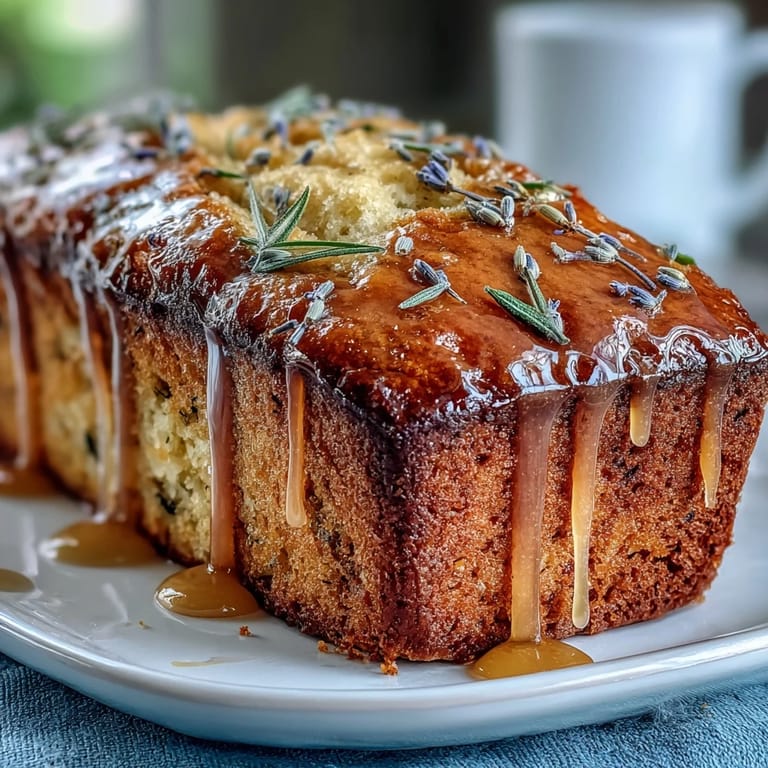 Save
Save May every slice bring a hint of sunshine and calm to your day, just as it does in my kitchen.
Recipe Questions
- → Can I use fresh lavender instead of dried?
Fresh lavender is more delicate and carries more moisture; culinary dried buds are recommended for consistent flavor. If using fresh, finely chop sparingly and reduce the amount to avoid a bitter or overpowering floral note.
- → How do I infuse milk with lavender?
Gently heat the milk with a tablespoon of dried lavender until it steams (do not boil). Remove from heat, steep 15–20 minutes, then strain through a fine mesh to remove buds before adding to the batter.
- → What prevents a dense loaf?
Ensure butter and sugar are well creamed for aeration, use room-temperature eggs, and fold the dry ingredients in only until just combined. Overmixing and too much flour packing can lead to a heavy crumb.
- → How can I adjust the glaze consistency?
For a thinner glaze add a little more fresh lemon juice, a teaspoon at a time. For a thicker glaze, add more sifted powdered sugar until you reach the desired pourable yet glossy texture.
- → How should I store the loaf?
Keep the cooled loaf in an airtight container at room temperature for 2–3 days. For longer storage, refrigerate up to 5 days; bring to room temperature before serving to soften the crumb and glaze.
- → Can I swap honey in the glaze for another sweetener?
Maple syrup or light corn syrup can be used, but expect a flavor change and slightly different gloss. Reduce any additional liquid slightly to maintain a pourable glaze consistency.