 Save
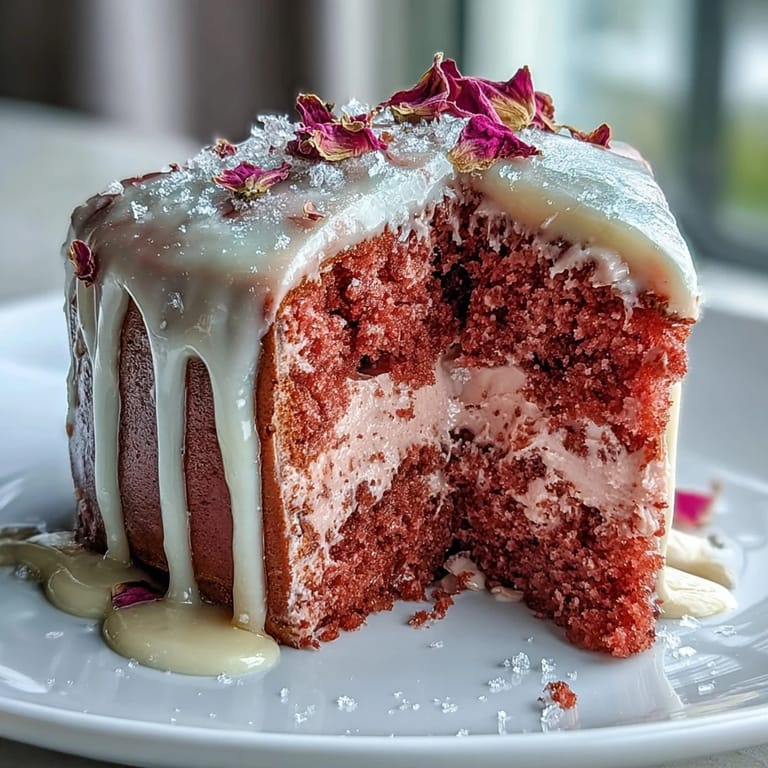
Save The first time I made this Rosé Velvet Cake, the kitchen filled with the soft, fruity aroma of baking wine and vanilla. My playlist was humming along louder than usual, and there was something amusingly rebellious about swirling pink food gel into the batter until it turned just the right shade of blush. Frosting smudges ended up on every countertop, but the laughter that echoed through the house as I painted the gold drip made every mess worth it. Sometimes the best baking days end not in perfection, but in a happy tangle of spatulas, bowls, and glimmering cake on the counter.
Once, I made this for my friend Laura's bridal shower – the kind of sunny afternoon where everyone crowded around the dining table, curious to know if the cake was as delicious as it looked. As we cut into those blushing layers, the room quieted for just a moment, and the surprised smiles made every careful step feel worthwhile. It's funny how a cake can turn a simple gathering into a little event all on its own.
Ingredients
- All-purpose flour: Sift it for the lightest crumb and always spoon then level so you don't end up with a dense cake.
- Granulated sugar: Creaming it with butter gives the cake its delicate structure and subtle sweetness.
- Baking soda & baking powder: Both ensure each layer rises perfectly, so don't skip measuring them precisely.
- Salt: Just a pinch highlights the sweetness and balances the richness.
- Unsweetened cocoa powder: Gives depth to the blush color and soft chocolate background; use natural cocoa for best color.
- Unsalted butter: Softened butter will blend smoothly, making for fluffy, tender layers.
- Buttermilk: Room temperature helps batters mix without clumping, and the tang keeps crumbs velvety soft.
- Rosé wine: Choose a fruity, light rosé for a pleasant, not overpowering flavor; don't use one that tastes bitter straight from the bottle.
- Eggs: Allowing them to come to room temperature means a smoother, airier batter every time.
- Vanilla extract: Adds warmth and complexity underneath the wine notes.
- White vinegar: It reacts with the baking soda – an old trick for extra tenderness and better color.
- Pink food coloring gel: Gel gives intense color without thinning the batter, so start slow and stir gently for the dreamiest blush.
- Cream cheese: Softened cream cheese makes the frosting cloud-like; cold cheese will leave lumps.
- Powdered sugar: Always sift it to prevent any sneaky clumps in your silky frosting.
- Heavy cream: Helps the white chocolate turn perfectly glossy for drips.
- White chocolate chips: They melt smoother than bars for the drip effect – a small but game-changing discovery.
- Edible gold luster dust: A brush of gold turns a simple cake into a centerpiece; a little goes a long way.
- Vodka or clear extract: Makes the luster paintable without watering down your drip.
- Edible flowers, gold leaf, or berries (optional): As finishing touches, these bring elegance and color, but the cake sings even simply adorned.
Tired of Takeout? 🥡
Get 10 meals you can make faster than delivery arrives. Seriously.
One email. No spam. Unsubscribe anytime.
Instructions
- Prep and preheat:
- Set your oven to 350°F (175°C), then line and grease three 8-inch cake pans; parchment rounds become your best friend here.
- Combine dry ingredients:
- Sift flour, cocoa, baking powder, baking soda, and salt into a bowl; if you gently tap the bowl, you'll see the beautiful, airy pile form that keeps the cake light.
- Creaming the butter and sugar:
- Beat butter and sugar on medium-high until it looks pale and doubled; this sets up those pillowy, cloud-like layers.
- Add eggs and vanilla:
- Add eggs one at a time, beating well in between, and then the vanilla; the mixture should look thick and glossy.
- Wet ingredients dance:
- Mix in buttermilk, rosé, and vinegar gently, letting the liquid bring everything together; it might look a little curdled but that's perfectly fine.
- Add dry to wet, then blush:
- Stir in dry ingredients just until you no longer see flour, then swirl in pink gel drop by drop until your batter is as rosy as you like.
- Divide and bake:
- Evenly pour batter into pans, smoothing tops, and bake 30–35 minutes; don't open the oven too soon or the cakes might settle in the center.
- Cool with patience:
- Let cakes rest in their pans for a bit, then tip them onto wire racks; let them cool completely or the frosting will melt.
- Make the creamy rosé frosting:
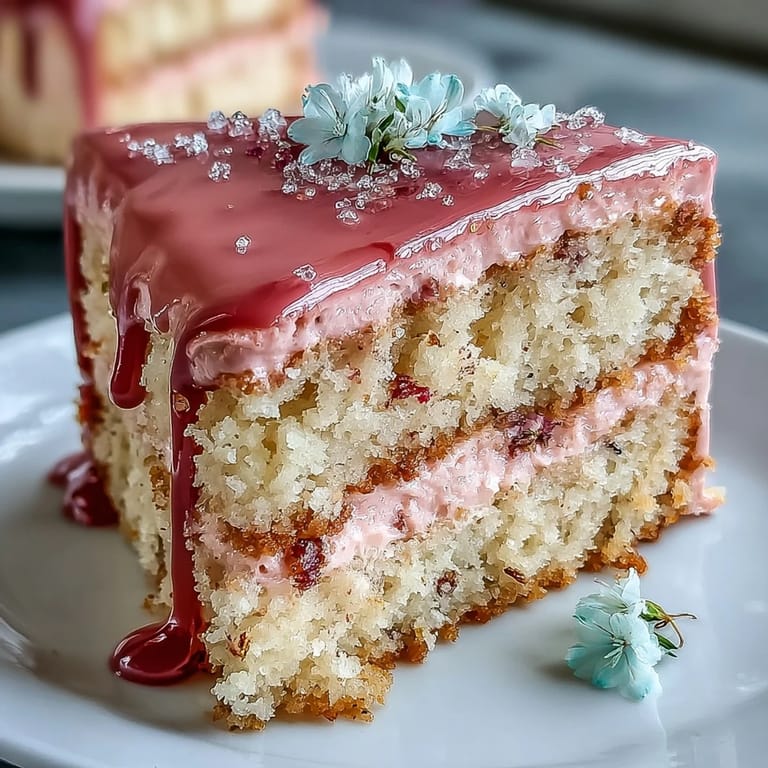
- Beat butter and cream cheese until silky, then slowly add powdered sugar – watch it fluff up before adding rosé, vanilla, and salt for a pretty-pink finish.
- Assemble and crumb coat:
- If needed, level the cake tops, then spread frosting between layers and over the entire cake; chill so the final coat goes on easier.
- Final frosty layer:
- Frost the cake generously after chilling, smoothing the sides and top for a picturesque base.
- Gold drip magic:
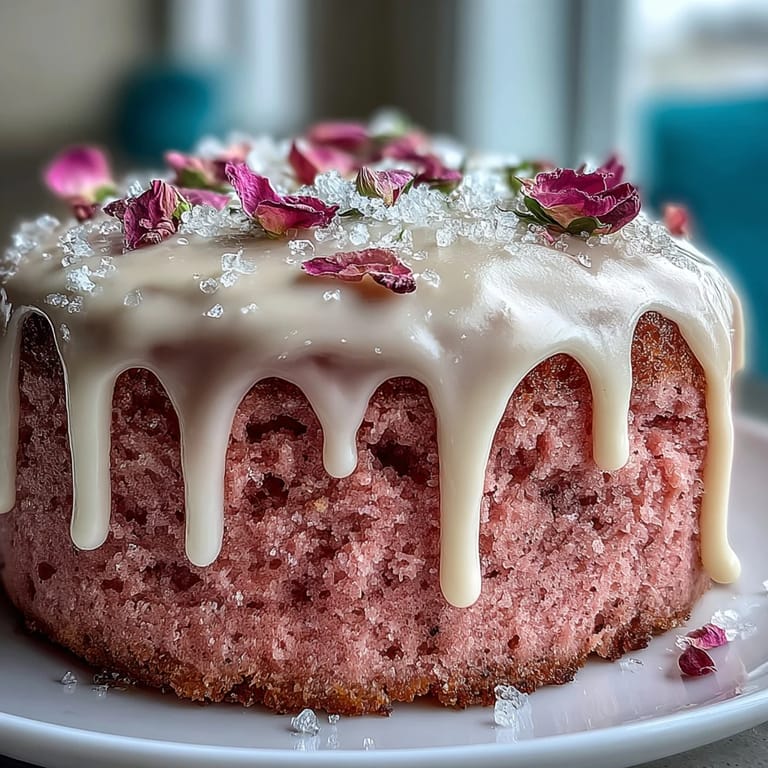
- Melt white chocolate with cream in the microwave, stirring until smooth and letting it cool to thicken just a bit; drip it over the cake edges with a spoon or squeeze bottle and watch the pretty rivulets form.
- Gold luster painting:
- Mix gold dust with vodka or extract and gently paint it along the drip once chocolate is set; take your time for a dramatic gilded look.
- Chill then serve:
- Pop the cake back in the fridge for at least thirty minutes to set the frosting and drip so your slices will be picture-perfect when served.
 Save
Save There was a moment, after topping the finished cake with edible flowers and a few stray gold flakes, where the whole dessert caught the late afternoon light and every guest paused for a photo. Suddenly, it wasn't just cake, but a memory we could eat – I love how food can surprise us like that.
Making It a Celebration Centerpiece
Setting this cake on the table, I recommend using a simple white or pastel cake stand; it truly makes the blush and gold shine. A dusting of extra luster dust around the base feels extravagant, but guests light up when they see the sparkle up close. If you ever want to layer on edible flowers or ripe berries, go for it – just pat them dry first so the frosting stays picture perfect. Even a plain cake lets the flavor and color shine as the real star.
Troubleshooting the Gold Drip
I once overheated the white chocolate, and it seized up into a grainy glob – now, slow melting with cream and gentle stirring is key. If your drip looks too thin and races down the cake, let it cool longer before dripping. On the other hand, if it sets up too fast, a quick burst in the microwave restores its fluid magic. Practice on the back of the cake if you must – no one will ever know!
Rosé Variations and Serving Ideas
Some days, I brush extra rosé onto the cooled cake layers for a more pronounced flavor punch. For baby showers or non-alcoholic gatherings, sparkling grape juice stands in beautifully and even adds a touch of sweetness. Swapping in raspberry preserves or layering on fresh strawberries in between is a fun twist that still keeps with the fruity, festive mood.
- If you don't have edible gold, a dusting of powdered sugar adds a wintery glow.
- Refrigerate leftovers right away, but let slices come to room temperature for best flavor.
- Cake tastes even dreamier the second day after all the flavors meld together.
 Save
Save This blush velvet cake always brings a moment of awe before the first slice even lands on a plate. I hope it brings just as much joy to your gathering as it's brought to mine.
Recipe Questions
- → How can I boost the rosé flavor without making the batter too wet?
Brush cooled layers lightly with reserved rosé to intensify flavor without altering texture. Alternate: simmer rosé briefly to concentrate aroma, or fold a teaspoon of rosé reduction into the frosting for a more pronounced note.
- → What’s the best way to get an even blush-pink color?
Use gel food coloring for concentrated color and add a little at a time until desired hue is reached. The small amount of cocoa in the batter deepens the blush; start with less color and adjust after a test bake if needed.
- → How do I ensure the gold drip looks smooth and doesn’t run?
Heat white chocolate with cream until velvety, cool to room temperature and test viscosity on a chilled edge; it should flow slowly. Apply drip from the edge with a spoon or squeeze bottle, then chill briefly before painting with gold luster mixed with minimal clear extract or vodka.
- → Can this be made ahead and how should I store it?
You can bake layers a day ahead and wrap tightly in plastic. Assemble and frost a few hours before serving or assemble fully and chill up to 48–72 hours. Bring to room temperature 30–60 minutes before serving for best texture.
- → What’s a good non-alcoholic substitute for rosé?
Use chilled sparkling grape juice or a concentrated white grape reduction to mimic rosé notes. Add small amounts to the frosting or brush layers lightly to preserve moisture and flavor balance.
- → How can I adapt this for dietary restrictions like dairy or eggs?
Swap butter and cream cheese for stable plant-based alternatives and use a commercial egg replacer or flax-egg for the sponge; expect slight texture differences and adjust moisture with extra buttermilk alternative if needed.