 Save
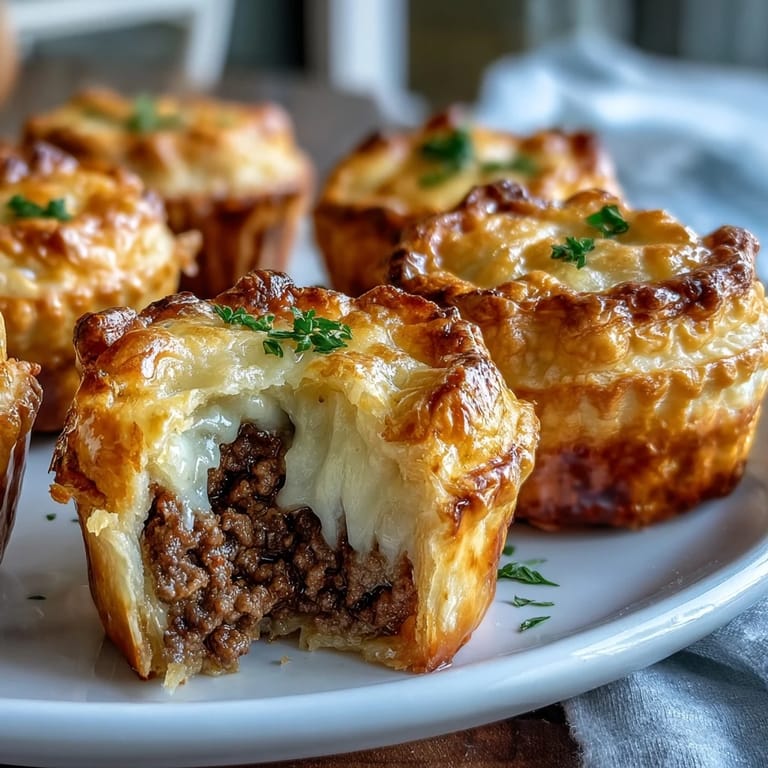
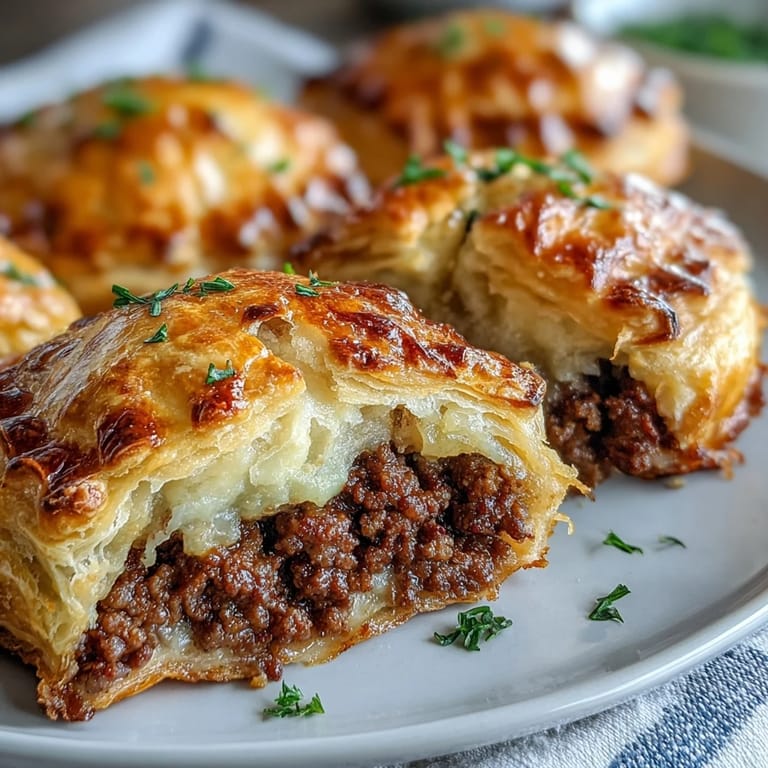
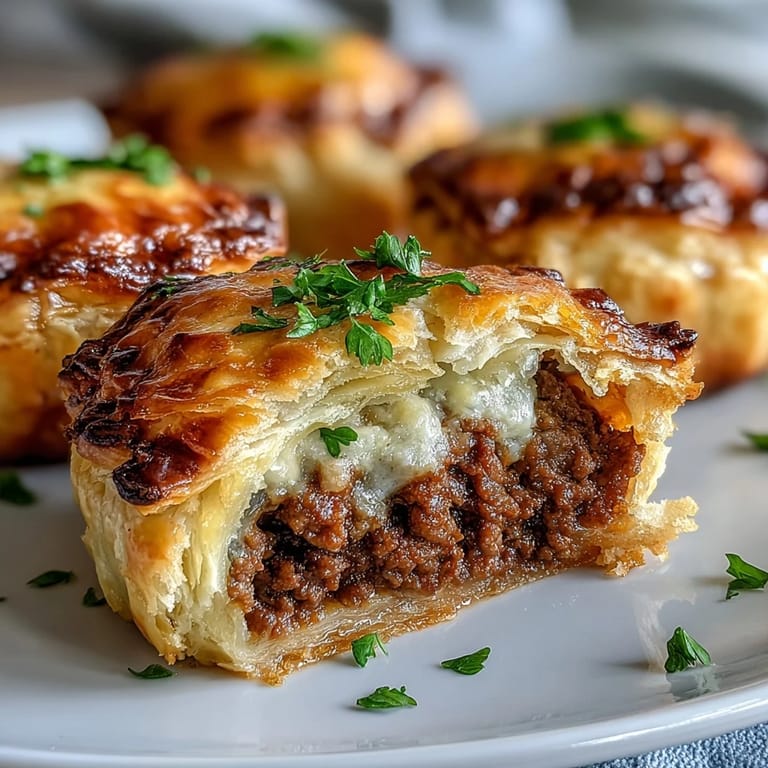
Save My neighbor showed up one December morning with a plate of these, still warm from her oven, and I couldn't stop at one. The flaky pastry shattered with each bite, releasing steam and the scent of cinnamon and allspice that reminded me of winter markets in Quebec. She laughed when I asked for the recipe, saying her grandmother would have made her swear secrecy, but times had changed. I made my first batch that weekend and burned the bottoms because I was too impatient to wait for the oven to preheat properly. Now I know better, and these little pastries have become my most requested contribution to any gathering.
I brought a tray of these to a potluck once, and they disappeared before the main course even hit the table. A friend's husband, who claimed he didn't like anything with cinnamon in savory dishes, ate six and then asked if I had more in the car. That night I realized these weren't just appetizers, they were conversation starters, the kind of food that makes people lean in and ask where you learned to make them. I've since made them for book clubs, hockey watch parties, and one very memorable New Year's Eve where I ran out and had to guard the last four from a determined cousin.
Ingredients
- Cream cheese, softened: This is what makes the pastry so tender and rich, almost like a shortbread but sturdier, and it must be soft or you'll end up with lumps that won't blend.
- Unsalted butter, cold and diced: Cold butter creates those flaky layers, so don't let it sit out too long or the dough will turn greasy instead of crisp.
- All-purpose flour: The structure that holds everything together, and measuring it correctly matters more here than in most recipes.
- Ground beef: I prefer something with a bit of fat, around 15 percent, because lean beef makes the filling dry and tasteless.
- Onion, finely chopped: It sweetens as it cooks and balances the warm spices, but chop it small or you'll get uneven bites.
- Garlic, minced: Just one clove is enough to add depth without overpowering the delicate spice blend.
- Ground allspice: The signature warmth of tourtière, and if you've never used it in meat before, prepare to be surprised.
- Ground cinnamon: It sounds odd in beef until you taste it, then it makes perfect sense.
- Ground cloves: A little goes a long way, so measure carefully or it will taste medicinal.
- Dried thyme: Earthy and grounding, it pulls the spices back toward savory.
- Beef broth: It keeps the filling moist and adds a layer of richness that water just can't match.
- Fresh parsley, chopped: A bright finish that cuts through the richness, though you can skip it if you're out.
- Egg, beaten: The wash that gives the tops that beautiful golden shine and makes them look bakery perfect.
Tired of Takeout? 🥡
Get 10 meals you can make faster than delivery arrives. Seriously.
One email. No spam. Unsubscribe anytime.
Instructions
- Make the pastry:
- Blend the cream cheese and butter until smooth and pale, then work in the flour and salt just until the dough comes together in a shaggy mass. Divide it, flatten each half into a disk, wrap tightly, and chill for at least 30 minutes so it firms up enough to roll without sticking.
- Cook the filling:
- Melt the butter in a skillet, add the onion, and cook until it turns translucent and soft, then stir in the garlic for just a minute until fragrant. Add the beef and break it up as it browns, then stir in all the spices, pour in the broth, and simmer until the liquid is nearly gone and the filling is thick and aromatic.
- Prepare for baking:
- Preheat your oven to 200 degrees Celsius and line two baking sheets with parchment so nothing sticks. Let the filling cool completely or it will melt the pastry when you assemble.
- Roll and cut:
- Roll the chilled dough on a floured surface to about 3 millimeters thick, then cut out rounds with a 7 centimeter cutter. Gather scraps, re-roll gently, and cut more rounds until you've used it all.
- Assemble the tourtières:
- Place half the rounds on your prepared sheets, spoon a heaping teaspoon of filling onto each, then brush the edges with water, top with another round, and press firmly with a fork to seal. Brush the tops with beaten egg and cut a small slit in each so steam can escape without bursting the pastry.
- Bake until golden:
- Slide the sheets into the oven and bake for 18 to 22 minutes, watching closely toward the end, until the tops are deep golden and the edges just start to brown. Let them cool on the sheet for a few minutes before transferring so the bottoms set and don't fall apart.
 Save
Save One winter evening, I made a double batch and froze half unbaked, then pulled them out a month later when friends dropped by unexpectedly. I baked them straight from the freezer, adding just a few extra minutes, and watched my friends' faces light up as the smell filled the kitchen. That's when I realized these little pastries were more than a recipe, they were a kind of kitchen insurance, a way to always have something impressive ready to share. Now I keep a stash in the freezer and feel quietly prepared for anything.
Making Ahead and Freezing
The pastry dough can be made up to two days in advance and kept wrapped tightly in the refrigerator, which actually improves the texture as the flour hydrates fully. You can also freeze the assembled, unbaked tourtières on a baking sheet until solid, then transfer them to a freezer bag for up to three months. Bake them straight from frozen, adding about five extra minutes to the baking time, and brush with egg wash just before they go in the oven so it doesn't get icy.
Serving Suggestions
I love serving these with a small dish of cranberry chutney or a grainy Dijon mustard on the side for dipping. They're perfect warm or at room temperature, which makes them ideal for parties where food sits out for a while. A crisp white wine or a light beer cuts through the richness beautifully, and they pair surprisingly well with a simple green salad if you're serving them as a light meal instead of an appetizer.
Variations and Extras
If you want to add more depth to the filling, finely dice a couple of tablespoons of mushrooms and cook them with the onion until all their moisture evaporates. Some people add a tablespoon of mashed potato to the filling for extra body, though I find it unnecessary if the beef is cooked properly. You can also swap ground pork for half the beef for a richer, slightly sweeter flavor that's more traditional in some Quebec families.
- Brush the tops with a little melted butter after baking for extra shine and richness.
- Try adding a pinch of nutmeg to the spice blend if you like a more complex warmth.
- Serve them with a small bowl of apple butter for a sweet and savory contrast that surprises everyone.
 Save
Save These little pastries have become a tradition in my house, the kind of recipe I pull out when I want to make people feel welcomed and cared for without saying a word. I hope they bring the same warmth to your table, and that you find your own reasons to keep making them.
Recipe Questions
- → Can I make the pastry dough ahead of time?
Yes, the cream cheese pastry dough can be prepared up to 2 days in advance and stored in the refrigerator wrapped tightly in plastic wrap. This actually makes the dough easier to work with and saves time on the day you plan to assemble and bake the tourtières.
- → Can I freeze mini tourtières before or after baking?
Absolutely. You can freeze them unbaked after assembly for up to 3 months. Bake directly from frozen, adding 5-7 minutes to the baking time. Alternatively, bake them first, cool completely, then freeze. Reheat in a 180°C oven for 10-12 minutes.
- → What other meats can I use instead of beef?
Ground pork, turkey, or a combination of beef and pork work wonderfully. Traditionally, tourtières can be made with various meats. Just ensure the meat is fully cooked and the filling is cooled before assembling to prevent soggy pastry.
- → Why do my tourtières leak during baking?
Leaking typically occurs when edges aren't sealed properly or the filling is too moist. Make sure to press the edges firmly with a fork, avoid overfilling, and ensure the beef filling has been simmered until most liquid has evaporated before cooling and using.
- → What are the best serving accompaniments?
Traditional accompaniments include cranberry sauce, cranberry chutney, or Dijon mustard. For a festive spread, serve alongside pickled vegetables, grainy mustard, or a tangy apple chutney. These complement the warm spices in the beef filling beautifully.
- → Can I make larger tourtières instead of mini ones?
Yes, you can use a larger cutter or make traditional pie-sized tourtières. Adjust baking time accordingly—larger pastries will need 30-40 minutes at 190°C. Ensure the internal temperature reaches safe levels and the pastry is golden brown.